Energy and money3 min read
Yield per square metre: how to measure it honestly
Yield per square metre is the weight of sellable crop divided by the growing area that produced it, over a set time. To make it honest, say which area you mean (growing area or building footprint), count kilos sold rather than harvested, and use the same period every time, usually per year.
What is yield per square metre?
It's how much sellable crop a square metre of your farm produces in a set time. It tells you how well you use your space, and it's half of cost per kg: the more each metre produces, the less rent, light and cooling each kilo carries.
Which area should you use?
The same farm can give very different numbers depending on the area, so always say which one:
| Area | What it is | Use it for |
|---|---|---|
| Growing area | The planted surface on every level added together | Comparing floors, racks and recipes |
| Building footprint | The floor space the farm stands on | Comparing with field farming or other farm types |
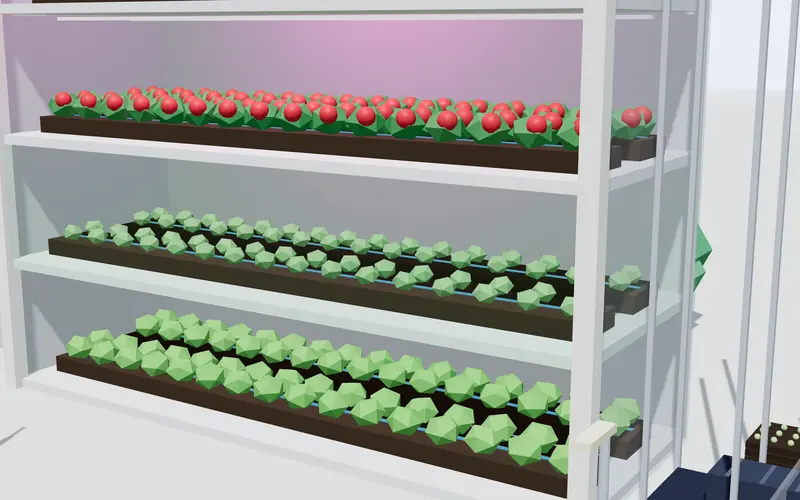
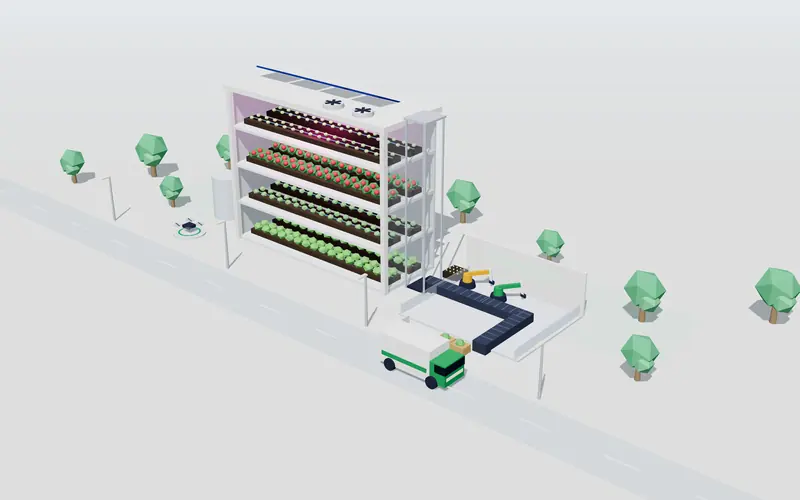
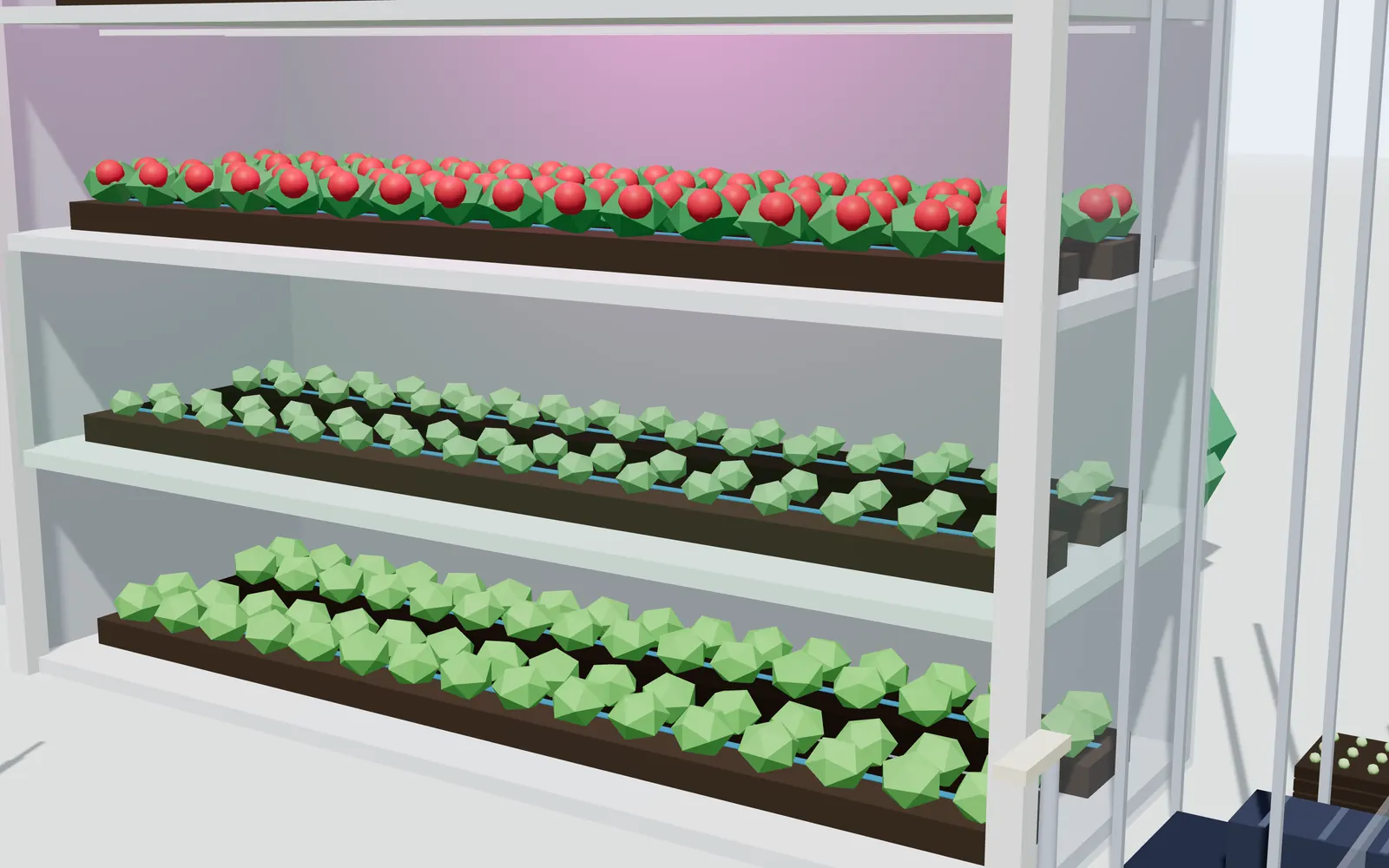
A vertical farm with five levels has about five times more growing area than footprint, so its yield per m² of footprint looks about five times higher.
How do you measure it, step by step?
Use the same method every time:
- 01
Measure the growing area
Per floor, rack or container, in m², counting only planted surface.
- 02
Weigh what you sell
Sellable kilos from that area, per harvest. Record waste separately.
- 03
Add up over a period
A month, then scale to a year, so crops with different cycle lengths compare.
- 04
Divide
kg sold ÷ m² ÷ period = yield per m² per year.
How do you compare floors fairly?
Before blaming a floor, check these:
- Same crop and variety? Different crops yield very differently.
- Same light recipe and days to harvest? See light recipes explained.
- Racks equally full? Empty spaces lower the yield of the whole floor.
- Same climate? Warmer upper floors or a humid container can explain the gap.
What are the common mistakes?
These make yield look better than it is:
- Counting harvested weight, not sold weight.
- Using footprint area without saying so, which makes vertical farms look several times better.
- Reporting the best harvest, not the average.
- Leaving out empty or replanting time between cycles.
How does Lamina help?
Lamina keeps harvests per floor or container next to each floor's area, light recipe and climate, so yield per m² is easy to compare and the weaker floors show up. Read cost per kg for the other half of the picture, or try the demo.