Start here4 min read
Running an indoor farm with a digital twin: the complete guide
Running an indoor farm well comes down to four habits: see the whole farm in one place, track every batch from seed to delivery, know what each kilo costs in energy, and fix problems where they start. A digital twin puts all four on one screen. This guide walks through each one and links to the detail.
What does it take to run an indoor farm well?
Indoor farms win or lose on control: the same crop, the same quality, every week, at a cost per kilo that buyers will pay. That needs four habits, and each one depends on good records.
- 01
See the whole farm
Every floor, room or container in one view, with live or daily readings in place.
- 02
Track every batch
One ID from the seed tray to the customer's crate.
- 03
Know your energy per kg
Lights and cooling are usually the biggest costs.
- 04
Act where it starts
A problem on one floor or in one container, caught before it spreads.
How do you see the whole farm at once?
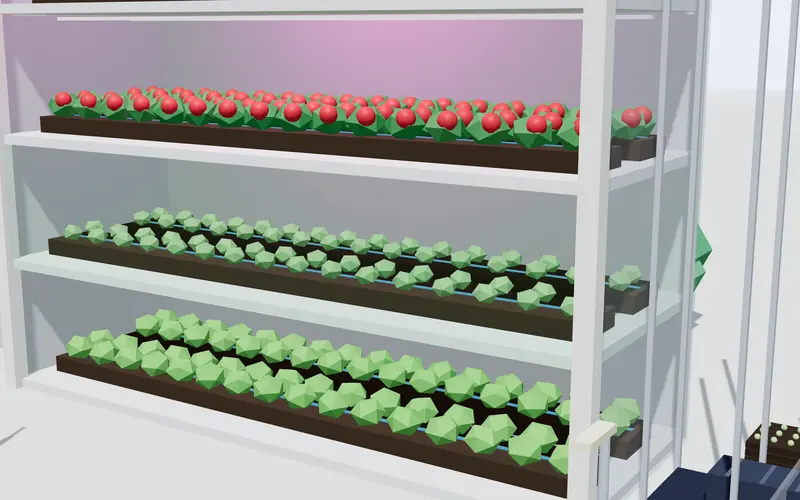
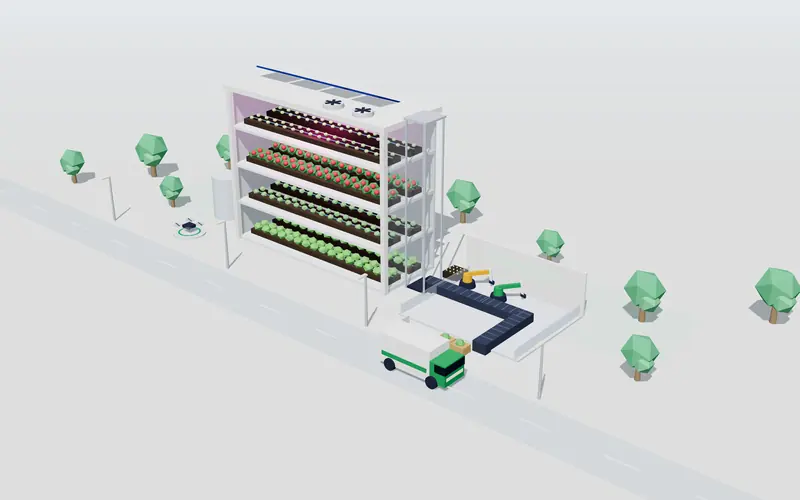
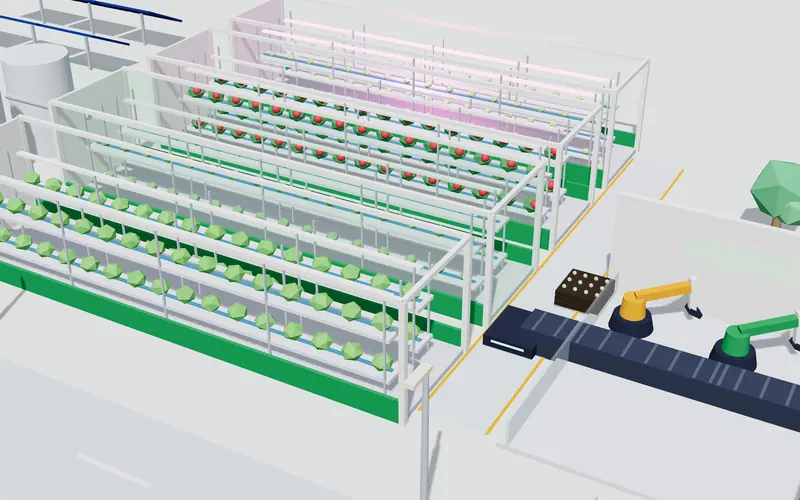
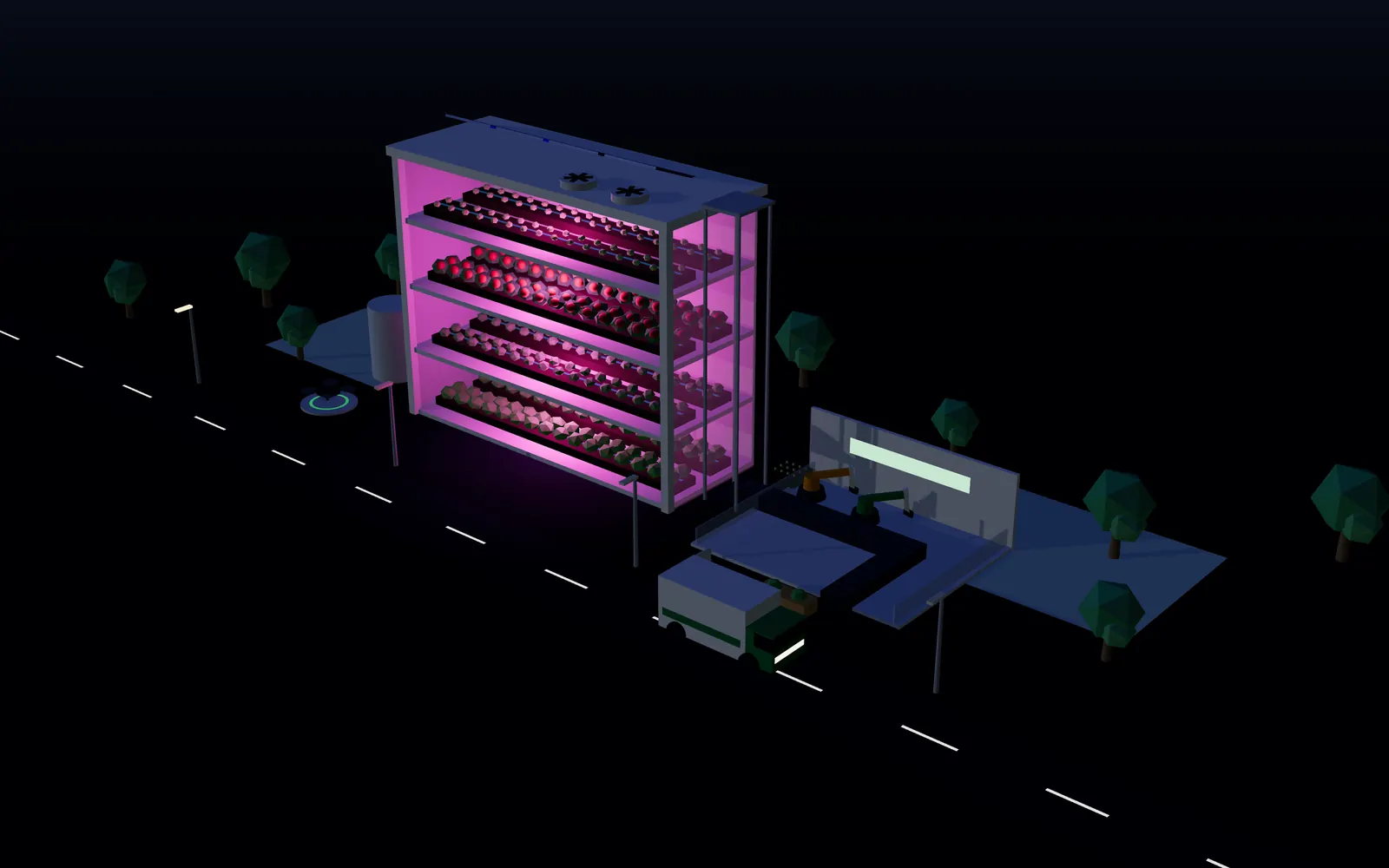
A digital twin is a live copy of your farm on screen: the same rooms, racks and lights in 3D, with your data placed where it belongs. Instead of reading tables, the team looks at the farm and sees which floor or container needs attention. Read more in what a digital twin for a farm is, or see how Lamina does it on the Product page.
How do you track a crop from seed to delivery?
Give each batch one ID when it's seeded and record it at five moments: seeding, moving to its growing spot, harvest, packing and delivery. Add the floor or rack where it grew, and every reading from that spot becomes part of its story. The full method, with a starter spreadsheet, is in how to track a vertical farm from seed to delivery.
Why does energy per kg matter so much?
Electricity is one of the biggest running costs of a vertical farm, and published studies show a wide spread: most farms studied used about 10–18 kWh per kg of lettuce, some far more. Knowing your own number, per floor and per month, is the clearest sign of whether the farm is getting better. See how much energy a vertical farm uses per kg.
Does the type of farm change what you track?
The basics are the same everywhere: climate, water and nutrients, light, batches and energy. What changes is the unit you watch: each container in a container farm, each floor and zone in a vertical farm, each bay in a greenhouse, each chamber in a lab. Compare the two most common types in container farm vs. vertical farm, or pick yours under Solutions.
What changes when you farm indoors in Jordan and the Gulf?
Heat and water. Cooling works harder against outside heat, so the building's insulation and the cooling's run-time matter more. Water is scarce, which is one of the main reasons farms grow indoors here. A study comparing plant factories with greenhouses in the Netherlands, the UAE and Sweden found that plant factories used 28–95% less water, but needed more purchased electricity, because greenhouses use free sunlight. That trade-off is why tracking energy and water side by side matters.
Where should a farm start?
Start small and build the habit before the tools:
- Sketch your layout and photograph each growing area.
- Track climate and batches first: they explain most good and bad harvests.
- Add electricity per floor or per container next.
- Add sensors when the manual routine works, so the twin updates by itself.
How does Lamina help?
Lamina builds a live 3D twin of your farm from photos and a sketch you send on WhatsApp, in about two weeks, and loads the data you already keep. Pilot farms in Jordan and the Gulf use it free for three months. You can try the live demo first, with no sign-up.